Early Childhood.
What preschool through kindergarten looks like day to day, and how to choose it.
The Early Childhood room
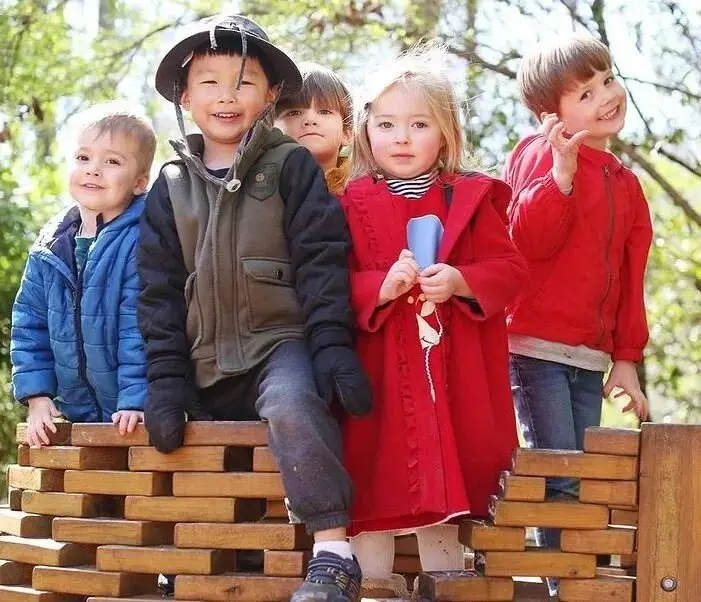
In the Early Childhood room, children play. They build with blocks, sew, paint, dig in the garden, and help with real work like baking bread. Teachers protect long stretches of open time so a game can grow deep instead of being cut off. Stories are told aloud, songs are sung, and the same rhythm returns each day.
Play is the work here. A child running a pretend bakery practices counting, planning, and negotiation. Hands that knead dough and shape beeswax grow strong and steady for later handwriting. Sharing a game teaches a child to wait, to speak up, and to try again after a disagreement.
A child who knows the order of the day settles in faster. Circle, play, a meal together, rest, outside time, and a calm goodbye. Over the year, that steady rhythm builds attention, language, and the confidence to start something and finish it.
What to expect
Where learning begins: preschool through kindergarten
The Early Childhood classrooms serve children ages two to six. Days are unhurried. Children work and play in warm rooms and on wooded paths. What they do here builds the ground later learning stands on: focus, language, and getting along with others. Families can ask about the specific programs and ages for their child.
Early Childhood Programs: Preschool & Pre-K / Kindergarten
Every Early Childhood class is small, with a lead teacher and an assistant, so every child is known. Before-school care and extended-day hours support working families. Ask the school about current hours and fees, since those are set each year.
Purposeful play, with a payoff
Play is not a break from learning here. It is the method. Baking bread means measuring, sequencing, and strengthening the small muscles handwriting will need. A story told aloud day after day builds vocabulary and memory. A game children invent together practices focus, patience, and friendship. Every day includes baking, gardening, painting, storytelling, and handwork.
A day with a rhythm
Each day unfolds in a steady, predictable rhythm of activity and rest, indoors and out. Mornings hold purposeful work and free play. There is a warm snack made together, time outdoors in every season, a story told by heart, and a quiet close. The room itself teaches: simple, natural materials, wooden toys, silks, and beeswax invite open-ended play.
What this looks like in practice
In a good early childhood room, children ages two to six spend unhurried days doing the real work of childhood. They bake, garden, paint, hear stories told aloud, and play outdoors in every season. A lead teacher and an assistant keep the class small so each child is known. Days keep a steady rhythm of activity and rest, indoors and out.
What parents notice is that the skills show up later. A child who measured flour and waited for bread is ready for numbers. A child who followed a told story day after day carries vocabulary and memory into reading. A child who negotiated a game practices focus and friendship. Every later classroom will ask for those things.